How to Improve Egg Quality for IVF, IUI, or Natural Conception

"What can I do to improve my egg quality?"
It's one of the most common questions I hear in my practice from women who are trying to conceive.
I hear it from patients who are trying to conceive naturally.
I hear it from women prepping for an IUI or IVF cycle.
And I hear it from women who are freezing their eggs to protect their fertility options down the road.
Different starting points, same underlying hope: how to improve egg quality in the months before trying to conceive or begin fertility treatment.
Table of Contents

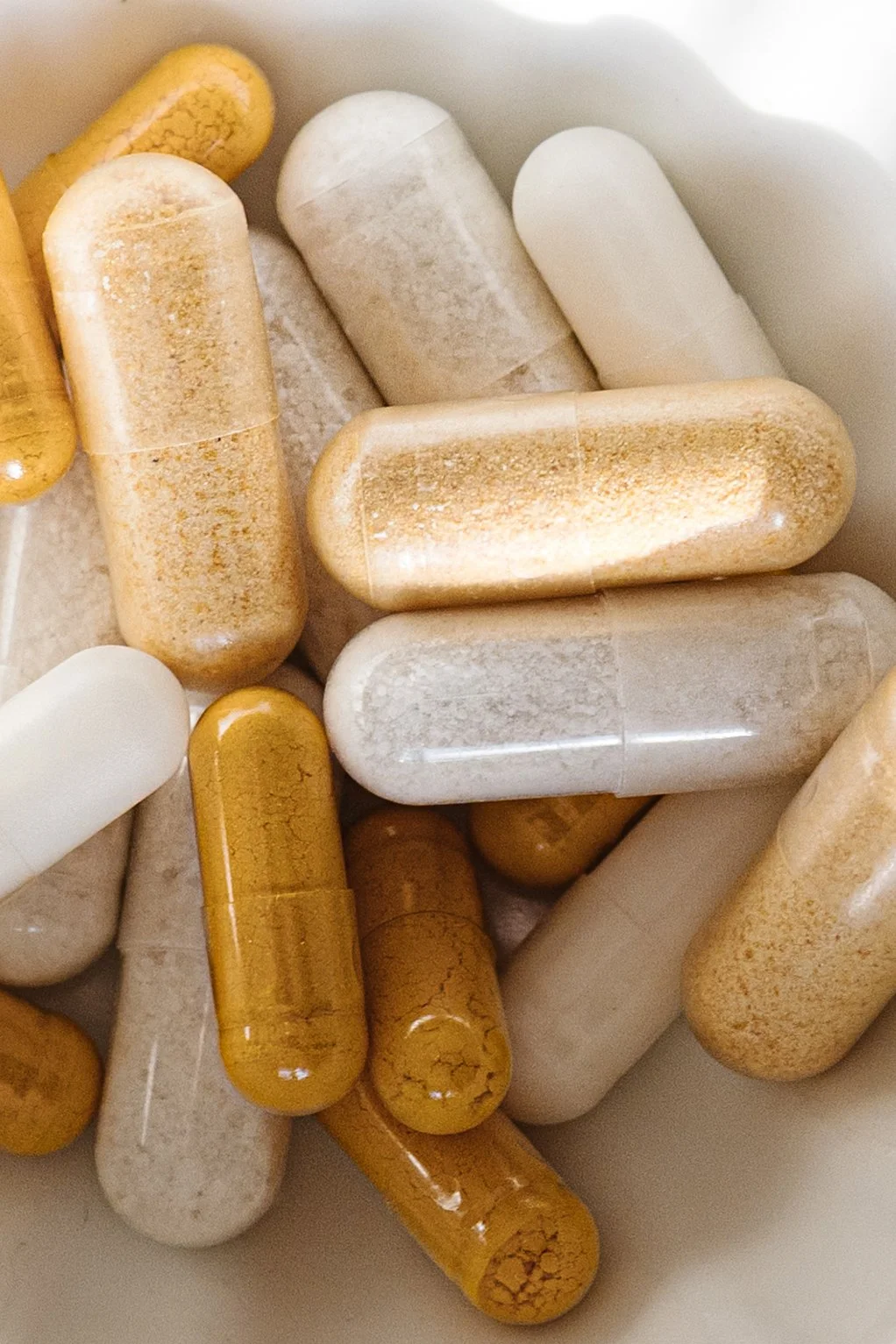

When I started practicing in 2004, the conventional answer was often "there isn't much you can do to improve egg quality."
We know women are born with every egg they'll ever have, and the decline in egg quality was treated as something you simply had to accept as you aged.
Part of the story remains the same—we can’t manufacture new eggs—but our understanding of what's happening during the growth of a follicle and the maturation of the egg within it has changed considerably.
We now know that egg development is a far more dynamic process than we once thought, and there are evidence-based ways to support the environment those eggs are developing in during the months before ovulation.
No supplement, diet, or treatment can promise you a healthier egg or a pregnancy, but the science does point us toward things that show strong evidence that are worth doing.
That's what I want to walk you through here, whether you're trying naturally, heading into IUI or IVF, or preserving your fertility for later.
We are not trying to attain perfection—we are giving the eggs you have the healthiest possible environment to develop in.
What Is Egg Quality, Really?
Before we get into how to improve egg quality, it's worth being clear about what "egg quality" actually means.
Here's the first thing I tell every patient: there is no blood test or ultrasound that tells you whether a given egg is "good" or "bad." We simply don't have that tool.
The closest thing we have to a true measure of egg quality is whether that egg can go the distance: mature, fertilize, become a healthy embryo, implant, and result in a healthy baby.
Chromosomes are a big part of that story. Eggs and sperm each carry 23 chromosomes, and when they combine, you get an embryo with 46. When an egg has too many or too few (a condition called aneuploidy), it's less likely to fertilize normally, develop properly, implant, or hold a pregnancy. This is a major reason both miscarriage risk and infertility rise as women age.
But chromosomes are only half the picture.
Eggs are also incredibly dependent on their mitochondria, the cell's energy producers. In fact, eggs contain more mitochondria than nearly any other cell in the body, because maturing, fertilizing, and those critical first days of embryo development all take an enormous amount of energy.
This is exactly why mitochondrial health has become such a major focus of fertility research in recent years.
And it goes even further than that.
Hormone signaling, the communication between an egg and the follicle cells around it, blood flow to the ovaries, inflammation levels, the whole ovarian environment, all of it plays a role in how well an egg develops.
Egg quality isn't a single switch. It's the sum of a lot of moving parts.
Key Takeaways: How to Improve Egg Quality
If you only remember a few things from this article, I hope they're these:
Egg quality and ovarian reserve are different things. A low AMH doesn't mean poor egg quality, and a high AMH doesn't guarantee good quality either.
No single supplement, diet, or treatment can guarantee better eggs, but there are studies on certain supplements and diets with strong evidence behind them.
Everyday stress doesn't directly damage your eggs. Chronic stress can still work against you indirectly, through sleep, inflammation, and hormone regulation.
Acupuncture has real, solid evidence behind it for reducing stress and anxiety, regulating the nervous system, improving blood flow, and supporting your body through fertility treatment,
The window to improve egg quality is the two to four months before ovulation, so consistency matters more than any last-minute fix.
Egg Quality vs. Ovarian Reserve: Not the Same Thing
This is probably the single most common point of confusion I run into with patients, so I want to spell it out clearly: egg quality and ovarian reserve are related, but they are not the same thing.
Ovarian reserve refers to the number of eggs that remain in the ovaries.
Every woman is born with her lifetime supply already set. By the middle of fetal development, that's roughly 6-7 million oocytes. By birth, it's already dropped to 1-2 million. By puberty, it's down to somewhere around 300,000-500,000, and from there, it declines steadily throughout your reproductive years.
Tests like AMH, antral follicle count (AFC), and Day 3 FSH/estradiol give us a rough idea how many eggs remain.
What they can't tell us is how healthy those remaining eggs are.
This distinction matters enormously in practice.
I've sat across from patients who were devastated after hearing they had a low AMH, convinced it meant their eggs were poor quality. That's not necessarily true at all.
A woman with a lower ovarian reserve can absolutely still produce excellent embryos and go on to have a healthy pregnancy.
And on the flip side, a woman with a high AMH isn't automatically in the clear on egg quality either.
The two tend to decline together with age, but they don't move in lockstep, and I think it does patients a disservice not to separate them clearly.
Let's Talk About Stress, Honestly
One of the fears I hear most often, and one that genuinely breaks my heart every time, is patients worrying that their own stress has damaged their eggs or caused their infertility.
I understand exactly why that fear shows up.
Trying to conceive, especially when it isn't happening easily, is one of the most stressful experiences a person can go through.
But here's what I want every patient to hear clearly: there is no convincing evidence that everyday stress directly damages your eggs or causes infertility.
Women conceive during objectively stressful chapters of life constantly, while planning weddings, changing jobs, grieving a loss, moving cities. Stress alone is not the villain it's often made out to be.
That said, chronic stress is a different story.
When stress becomes long-term rather than situational, it starts to ripple through the systems that support healthy ovarian function: disrupting sleep, affecting blood sugar regulation, contributing to inflammation, shifting hormone signaling, and keeping your body stuck in a "fight-or-flight" state.
Over time, that combination creates an internal environment that's simply less supportive of your overall health, including your reproductive health.
This is why I've never believed fertility is only about the ovaries.
It's about your whole body operating as one interconnected system: nervous system, endocrine system, immune system, metabolism, sleep, all of it talking to each other.
That's the lens I try to bring to every patient: not "how do I fix my eggs," but "how do I build the healthiest possible environment for the eggs I already have?"
How To Improve Egg Quality: What the Evidence Actually Supports
If you’re trying to figure out how to improve egg quality, I want you to focus your time and energy on the things that have the strongest evidence behind them.
Nutrition
Mediterranean-style diet: This has some of the most consistent data behind it. Women who follow this pattern, rich in vegetables, fruit, legumes, whole grains, fish, olive oil, and nuts, light on ultra-processed food and added sugar, tend to see better fertility outcomes, higher IVF pregnancy rates, lower inflammation, and better metabolic health.
The evidence is stronger for overall fertility and IVF success than for egg quality specifically, but because diet touches inflammation, oxidative stress, insulin sensitivity, and mitochondrial health, it's something nearly every reproductive endocrinologist will recommend.
Supplements To Improve Egg Quality
CoQ10: Probably the most widely recommended supplement for women with diminished ovarian reserve, and the biological logic holds up: eggs need enormous amounts of energy, that energy comes from mitochondria, mitochondrial function declines with age, and CoQ10 supports mitochondrial energy production.
Studies suggest it may improve ovarian response, mature egg count, embryo quality, and in some cases clinical pregnancy rates, with the strongest evidence in women with diminished reserve or advanced reproductive age.
Myo-inositol (for PCOS/PMOS): For patients with PCOS/PMOS, the evidence here is excellent. Research shows real improvements in insulin sensitivity, ovulation, egg maturation, oocyte quality, embryo quality, and pregnancy rates. It's not a universal fix, but for insulin resistance specifically, it's one of the best-supported tools we have.
Read more about PCOS/PMOS and the new name here.
Vitamin D: The name is technically a misnomer. It behaves like a steroid hormone in the body, not a typical vitamin, which is part of why it has such wide-reaching effects on reproductive health.
A 2024 clinical study found that supplementing vitamin D before an ICSI (intercytoplasmic sperm injection) cycle led to a significant increase in top-quality embryos, and that benefit held true even in women who already had normal vitamin D levels going in.
Several years ago, I dedicated an entire blog post to the importance of vitamin D for fertility.
Omega-3s: This one has gotten notably stronger evidence behind it recently. A 2024 meta-analysis pooling over 6,000 women found that higher omega-3 intake was associated with 74% higher odds of pregnancy in women undergoing fertility treatment, 36% higher odds in women conceiving naturally, and more than double the odds of successful fertilization.
Melatonin is interesting because it's both a sleep hormone and a strong antioxidant inside the ovarian follicle itself. One randomized pilot study in women with unexplained infertility found that melatonin supplementation significantly increased the number of oocytes retrieved and improved markers of oocyte quality, with a modest bump in pregnancy and live birth rates.
DHEA, in select patients with diminished ovarian reserve, it has shown improvements in embryo quality and pregnancy rates.
A 2018 systematic review and meta-analysis found that DHEA supplementation improved pregnancy rates but did not significantly increase the number of oocytes retrieved. That distinction matters: this isn't a supplement that gives you more eggs at retrieval, but it may improve what happens with the eggs you do get.
Because DHEA affects hormone levels, this is one to only pursue under supervision by your healthcare provider.
Glutathione is the egg's primary internal antioxidant and protects the egg and surrounding follicle cells from oxidative damage during the months-long maturation process. Research has shown women with higher glutathione levels in their follicular fluid tend to show better fertilization rates.
Standard oral glutathione is broken down significantly in digestion before it's absorbed, which is why I always recommend liposomal forms.
Lifestyle factors
Sleep supports hormone regulation, insulin sensitivity, inflammation, and circadian rhythm. We don't have a large body of research linking sleep directly to egg quality yet, but the underlying biology makes a strong case for prioritizing it.
Exercise, in moderation, appears beneficial: regular walking, resistance training, and moderate aerobic activity are generally what I recommend. Excessive endurance training, on the other hand, can work against ovulation in some women.
Environmental exposure
Endocrine-disrupting chemical: It seems every day more and more research links endocrine-disrupting chemicals, BPA, phthalates, pesticides, to reduced ovarian reserve, poorer IVF outcomes, lower fertilization rates, and higher oxidative stress.
Anyone wanting to improve egg quality should make it a priority to avoid or reduce exposure to these chemicals.
Can Acupuncture Help Improve Egg Quality?
This is the part of my work I care most about.
I don't tell patients acupuncture "fixes" infertility, and I don't tell them it will directly improve their egg quality.
The evidence doesn't support making that claim, and I'm not going to overpromise something this important.
What I can tell you, with real confidence, is that acupuncture has consistently been shown to help regulate the nervous system, ease anxiety, and reduce the perceived stress of fertility treatment.
Research also points to acupuncture helping lower stress hormones and shifting the body toward a parasympathetic, "rest and digest," state, which is exactly the physiological state your body needs to be in for healing, recovery, and normal function.
I've watched this play out in my treatment room for over two decades, and it's honestly the part of this work I find most meaningful.
Fertility treatments are exhausting, physically and emotionally, in ways that are hard to describe to someone who hasn't lived it.
When a patient starts sleeping through the night again, feels her shoulders come down from around her ears, and walks into her next transfer or retrieval from a calmer, steadier place instead of a depleted one, that's not a small thing.
I think it's one of the most important pieces of a comprehensive fertility plan, even though its effects are difficult to quantify and impossible to track on a lab test.
We do have evidence that acupuncture supports ovarian blood flow, reduces inflammation, and influences autonomic nervous system activity in ways that could support ovarian response in patients, though we don't yet have strong evidence it changes chromosome quality or euploidy rates directly.
The way I frame it for my own patients is this: acupuncture is one important pillar in a full-body approach to fertility, working alongside nutrition, sleep, targeted supplementation, and stress regulation, not a replacement for any of them.
Improving Egg Quality in Real Patients
All of this research is important, but after more than 20 years of working with fertility patients, I'm also interested in what happens in real life.
Ericka's Story: One Euploid Embryo to Three

Ericka was 39 when she first came to see me. She was a busy, stressed-out professional who had already been through two egg retrievals. Between those two cycles, she had gotten one euploid (normal) embryo.
She also had a history of a significant autoimmune condition that had been diagnosed in her 20s, although thankfully it had been in remission for more than a decade.
And she was very skeptical of acupuncture.
But she was willing to give me three months before doing another IVF cycle.
She committed to weekly acupuncture, we made some changes to her supplement protocol, and she was moderately willing to work on her diet. I say moderately because she never did give up her daily Diet Coke.
Throughout those three months, she regularly reminded me that she wasn't convinced acupuncture was doing anything. And yet she kept showing up every week, and I could tell she was enjoying her acupuncture naps, even if she wasn't quite ready to admit it.
Three months later, she went into another retrieval. This time she was 40.
That cycle resulted in three high-quality, euploid embryos.
Can I tell you that acupuncture, or any one of the changes we made, was responsible for that result?
Of course not.
Fertility doesn't work that way, and one patient's outcome isn't a clinical trial.
But this is exactly why I believe the months leading up to an egg retrieval matter.
We gave her body three months of consistent support while those follicles were developing. We worked on nutrition, supplements, stress, and her overall health, with acupuncture as a central part of that plan.
Today, Ericka has an almost three-year-old and is pregnant with her second child.
I still don't know if I've completely convinced her that acupuncture works.
But I think she's getting there.



Frequently Asked Questions
-
Most of the changes discussed here need two to four months to make a real difference, since that's roughly how long it takes for a follicle to develop into the egg that eventually ovulates. There's no meaningful shortcut, so the earlier you start, the more of that window you get to work with.
-
Yes! Although the ceiling is different than it would be at 25. Age is still the biggest factor in ovarian aging and we can't change that, but supporting mitochondrial function, reducing inflammation, and correcting nutritional gaps can still meaningfully improve the environment an egg develops in, regardless of age.
-
Not necessarily. AMH reflects ovarian reserve (how many eggs you have left), not egg quality. Plenty of women with a low AMH go on to produce excellent embryos and have healthy pregnancies.
-
Diet is the foundation, and a Mediterranean-style pattern has some of the strongest evidence of anything discussed here. Supplements like CoQ10 or myo-inositol can add benefit on top of that for specific situations, but they're not a substitute for the basics of diet, sleep, and stress management.
-
The honest answer is we don't yet have enough strong evidence that acupuncture directly changes chromosome quality. But what the evidence does support is real, and it's not minor. Research shows acupuncture can meaningfully reduce stress and anxiety, help regulate the nervous system, and shift the body toward the parasympathetic state associated with healing and normal physiologic function. There's also emerging research on improved ovarian blood flow and reduced inflammation. Since egg quality depends on the whole ovarian environment, not just the egg itself, supporting that environment is a legitimate and evidence-backed part of the picture, not a side note. I treat it as one essential pillar of a comprehensive fertility plan, working alongside diet, sleep, and supplementation, not a replacement for any of them.
-
There isn't one single best way to improve egg quality. The strongest approach is to use the two to four months before ovulation or an egg retrieval to support mitochondrial health, reduce oxidative stress and inflammation, improve metabolic health, correct nutritional deficiencies, and support healthy ovarian blood flow. In practice, that usually means a Mediterranean-style diet, targeted supplements such as CoQ10 when appropriate, regular movement, good sleep, reducing endocrine-disrupting chemicals, and fertility acupuncture as part of a comprehensive plan.
The Bottom Line on How to Improve Egg Quality
If I had to sum up over two decades of watching this research evolve, it's this: we still can't reverse ovarian aging, and we can't guarantee a healthier egg.
But we now have real, growing evidence that supporting mitochondrial function, lowering oxidative stress, optimizing metabolic health, correcting nutritional gaps, and reducing chronic inflammation can meaningfully improve the environment your eggs are developing in.
No single piece of this does the whole job on its own.
It's the combination: a Mediterranean-style way of eating, the right supplements for your individual needs, quality sleep, regular movement, nervous system support, fertility acupuncture, and reducing toxin exposure where you reasonably can, that gives you the strongest approach.
And remember: you don't have to do all of this perfectly. The goal is to give the eggs you already have the healthiest possible environment to develop in.
Curious how ovarian reserve testing fits into all of this? I've written more on what AMH, FSH, and AFC can, and can't, tell you.
If you're trying to figure out where to start, or want a plan that's actually built around your labs, your history, and your timeline rather than a generic list, that's exactly what we do at Bloom. Schedule a consultation and let's build your plan together.