PCOS Has a New Name: Why Was PCOS Renamed PMOS?

If you've found yourself here reading this article, you're probably wondering why PCOS (polycystic ovarian syndrome) suddenly changed to the acronym PMOS, which stands for Polyendocrine Metabolic Ovarian Syndrome.
Polyendocrine means that multiple hormonal systems are involved.
Metabolic refers to the metabolic side of this condition, including insulin sensitivity and the way the body regulates blood sugar.
And ovarian syndrome acknowledges that yes, the ovaries are involved, but they're only one part of a much bigger picture.
After treating women with PCOS for over two decades, I think the new name makes a lot more sense.
The old name, polycystic ovarian syndrome, was a misnomer in many cases because plenty of patients with PCOS don't actually have "cysts" on their ovaries. In fact, what we see on ultrasound aren't technically cysts at all. They're follicles.
But I think the bigger problem with the old name is that it made this condition sound like it was primarily a problem with the ovaries.
It isn't.
PMOS is a hormonal, metabolic and reproductive condition, and we have understood for a long time that insulin resistance and metabolic dysfunction can play a major role in what's happening.
Table of Contents



Key Takeaways
If you remember anything from this article, I hope it’s this:
PCOS has a new name= PMOS. PMOS stands for Polyendocrine Metabolic Ovarian Syndrome and better reflects the hormonal, metabolic and ovarian components of the condition.
The old name put too much emphasis on ovarian “cysts.” Not everyone with PCOS has polycystic-appearing ovaries, and the structures commonly called cysts are actually follicles.
Insulin resistance is an important part of PMOS for many women. It can contribute to higher androgen levels, irregular ovulation and difficulty getting pregnant, even in women who are thin or don't fit the stereotypical picture of PCOS.
PMOS can affect fertility primarily by disrupting ovulation. Treatment should focus on the individual patient and may include acupuncture, nutrition, exercise, supplements and medications when appropriate.
The name has changed, but our understanding is still evolving. The shift to PMOS recognizes that this is much more than an ovarian condition and encourages us to look at the bigger hormonal and metabolic picture.
How We Got the PCOS Name Change to PMOS
The history of this diagnosis is actually pretty interesting because the definition has been evolving almost since the condition was first identified.
In 1935, physicians Irving Stein and Michael Leventhal described a group of women who had absent periods, signs of elevated androgens and ovaries containing multiple follicles. For years, the condition was known as Stein-Leventhal syndrome.
By 1990, the NIH definition focused on two main findings:
irregular or absent ovulation
clinical or biochemical signs of elevated androgens
Other endocrine conditions that could cause the same symptoms had to be ruled out.
Then, in 2003, we got the Rotterdam criteria, which is still the framework most people associate with a PCOS diagnosis.
Under Rotterdam, a patient needed to have at least two out of three:
irregular or absent ovulation
clinical or biochemical hyperandrogenism, such as elevated testosterone, facial hair or acne
polycystic-appearing ovaries on ultrasound
Again, other conditions that could cause these symptoms needed to be ruled out.
The criteria have continued to evolve. For example, current guidelines allow AMH level to be used to identify polycystic ovarian morphology in certain adult patients.
So even before the PCOS new name was announced, our understanding of this condition had already changed quite a bit.
But here's where I think this gets really interesting.
Why the PCOS New Name— PMOS—Makes Sense to Me
I know the limitations of the old PCOS label to be true because I've seen them throughout my years in practice.
Throughout my career, I've treated hundreds of fertility patients with irregular periods, inconsistent ovulation and signs of insulin resistance who didn't necessarily fit the textbook picture of PCOS.
They didn't all have facial hair.
They didn't all have acne or oily skin.
They didn't all carry weight around their abdomen.
They weren't all overweight.
And they certainly didn't all have polycystic ovaries.
Some had never been diagnosed with PCOS at all.
But I would look at their cycles, their symptoms and their labs and think: there is clearly a metabolic component here.
So I would often treat them using many of the same strategies I use for my PCOS patients.
And very often, they improved.
Their cycles became more regular. Their ovulation became more predictable. Their blood sugar regulation improved. And in my fertility patients, often they got pregnant.
That's one of the reasons this name change resonates with me.
From a Chinese medicine standpoint, we treat what we see in front of us. We develop a pattern diagnosis based on the patient's signs and symptoms. We don't need someone to fit perfectly into a disease category before we can recognize the pattern we're treating.
Western medicine obviously works differently, and diagnostic criteria matter. But I think the new name better acknowledges something that has been obvious clinically for a long time:
This condition is much bigger than cysts on the ovaries.
The Metabolic Piece of PMOS Matters
For many of the patients I see, insulin resistance is one of the first things I want to investigate.
That doesn't mean every woman with PMOS has insulin resistance, and insulin resistance itself is not currently one of the formal diagnostic criteria.
But it is incredibly common and clinically important.
When insulin levels stay elevated, insulin can stimulate the ovaries to produce more androgens. That can interfere with normal follicle development and ovulation.
And this is where the fertility piece comes in.
If you're not ovulating regularly, or you're going months without ovulating, your opportunities to conceive are obviously going to be reduced.
This is also why simply telling a patient with PMOS to "lose weight" has never made much sense to me.
First, plenty of women with PCOS/PMOS are not overweight.
Second, weight isn't the underlying problem we're trying to treat. We need to understand what is happening metabolically and hormonally.
Depending on the patient, I may want to look at fasting glucose, fasting insulin, hemoglobin A1c, lipids, testosterone and other androgens, thyroid markers, vitamin D and sometimes wear a continuous glucose monitor (CGM).
I want to know what's actually happening rather than assuming based on how someone looks.
How I Approach PMOS and Fertility


There isn't one PMOS treatment protocol that I give everyone.
That would defeat the whole point.
The treatment depends on whether someone is ovulating, whether insulin resistance is present, what her androgen levels look like, what her cycles are doing and, importantly, whether she's trying naturally, doing an IUI or preparing for IVF.
But there are several things I come back to again and again.
Acupuncture
Acupuncture is one of my primary treatment tools for PMOS, particularly when we're trying to improve ovulation and fertility.
And we now have some interesting research looking specifically at acupuncture alongside fertility medication.
A 2025 randomized controlled trial studied women with PCOS-related infertility who were taking letrozole for ovulation induction. Women who also received acupuncture twice weekly had a pregnancy rate of 56.7%, compared with 29.9% in the group receiving letrozole with sham acupuncture.
The acupuncture group also showed notable improvements in ovulation, testosterone levels, endometrial receptivity and uterine blood flow.
That's a pretty significant difference.
It's also much closer to how I use acupuncture in my practice than studies that give patients only one or two treatments and then conclude that acupuncture doesn't work.
PMOS is a complex endocrine and metabolic condition. I don't expect to change that with two acupuncture treatments.
I generally work with these patients consistently over time, adjusting the treatment according to where they are in their cycle and what we're trying to accomplish.
Insulin Resistance
When insulin resistance is part of the picture, we need to treat it.
Nutrition is important, but I don't put my patients on extreme diets.
I generally recommend a Mediterranean-style, anti-inflammatory way of eating with plenty of vegetables, protein, healthy fats, fiber, legumes, nuts and seeds, while reducing added sugars and highly processed carbohydrates.
I also care about how carbohydrates are eaten. Pairing carbohydrates with protein, fat and fiber can make a big difference in the glucose response.
Walking after meals is one of my favorite recommendations because it's incredibly simple and can have a meaningful effect on post-meal glucose.
Resistance training, sleep and stress regulation matter too.
And when medication such as metformin is appropriate, that's something a patient can discuss with her physician.
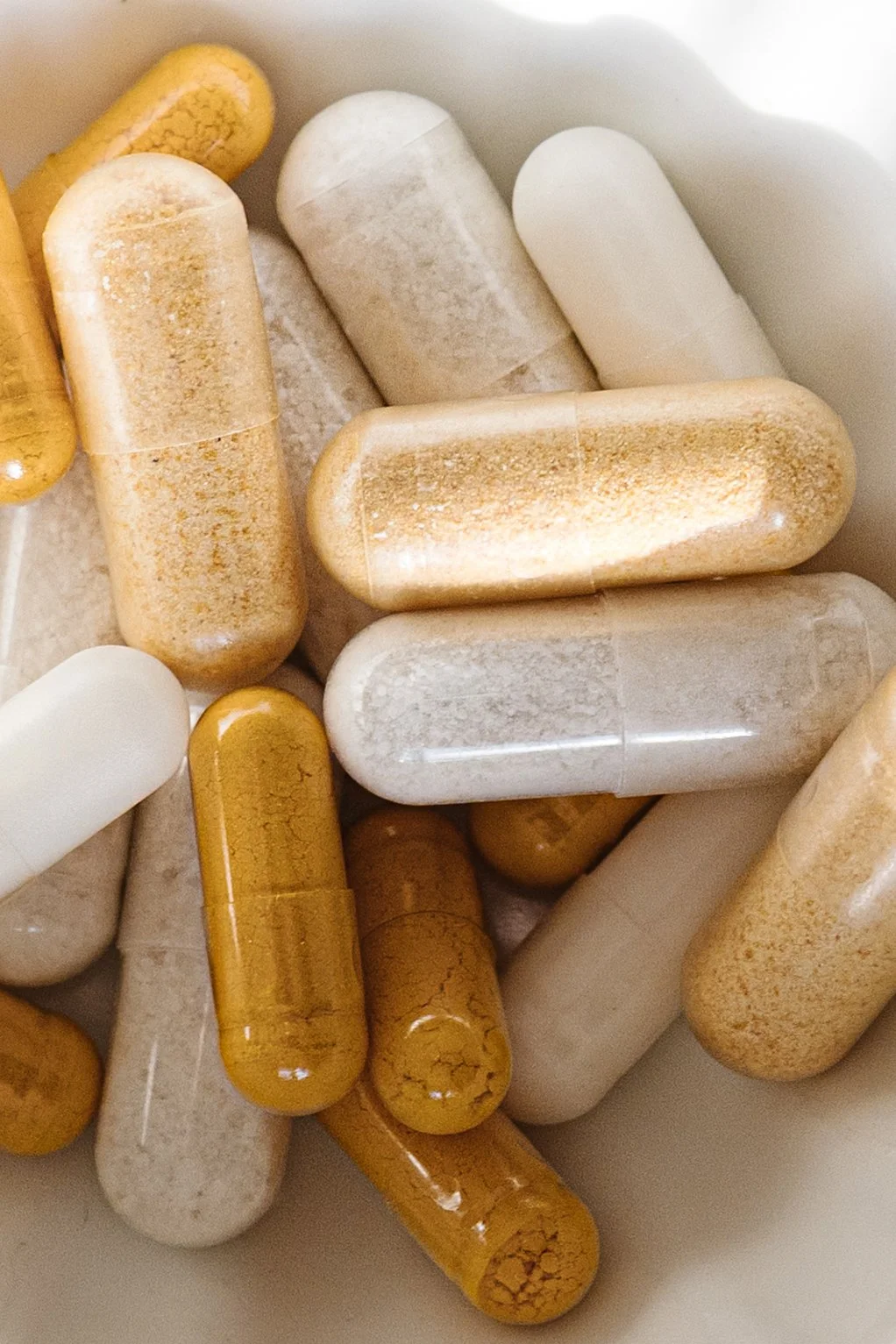
Supplements
There are also a handful of supplements I use frequently in my PMOS patients.
Myo-inositol is probably at the top of the list. I typically use it to support insulin sensitivity, ovulation and cycle regulation.
NAC is another favorite of mine, particularly when insulin resistance and inflammation are part of the picture.
Berberine can be very useful for metabolic support and insulin sensitivity, although I use it more selectively in women who are actively trying to conceive because timing matters.
Depending on the patient, I may also consider vitamin D, omega-3s, magnesium and other nutrients based on her diet, symptoms and labs.
Again, I don't believe every PMOS patient needs the same supplement protocol.
What Does the PCOS New Name Mean for You?
The change from PCOS to PMOS doesn't mean that everything we knew about PCOS was wrong. And it doesn't mean that every woman with insulin resistance, irregular periods or fertility challenges suddenly has PMOS.
But I think the new name gets something very important right.
The woman with irregular periods and insulin resistance who doesn't have polycystic-appearing ovaries deserves to be looked at more closely.
So does the thin patient whose doctor never considered lean PCOS because she doesn't "look like she has PCOS."
So does the woman who ovulates sporadically but doesn't have facial hair, acne or the other symptoms we've historically associated with this condition.
These patients don't always fit neatly into the picture we've been taught to look for.
And when fertility is the goal, identifying the underlying hormonal and metabolic issues matters.
The ovaries matter.
The hormones matter.
But the metabolic environment those ovaries are functioning in matters too.
That's the part of PMOS that I think we've been missing for far too long.



Frequently Asked Questions About PCOS and PMOS
-
PCOS was renamed Polyendocrine Metabolic Ovarian Syndrome (PMOS) to better reflect what we now understand about the condition. The old name placed too much emphasis on ovarian cysts, even though not everyone with the condition has polycystic-appearing ovaries. PMOS recognizes that the condition involves multiple hormonal systems, metabolism and ovarian function.
-
PMOS stands for Polyendocrine Metabolic Ovarian Syndrome. “Polyendocrine” refers to the involvement of multiple hormonal systems, “metabolic” recognizes the important metabolic component of the condition, and “ovarian” reflects its effects on ovarian function and ovulation.
-
Yes. PMOS is the new name for the condition previously known as PCOS. It is not an entirely new disease. The name was changed to better represent the complexity of the condition and move away from the misleading idea that ovarian cysts define it.
-
No. You do not need to have ovarian cysts to have PMOS. In fact, the “cysts” associated with PCOS are actually immature ovarian follicles. Under established diagnostic criteria, a patient can meet the criteria for the condition without having polycystic ovarian morphology on ultrasound.
-
No. PMOS can occur at any body size. I see plenty of thin patients with irregular ovulation, elevated androgens, insulin resistance or other features of PMOS. This is one reason I don't think we can determine someone's metabolic health simply by looking at her.
-
No. Insulin resistance is not currently required for a PMOS diagnosis. However, it is common and can play an important role in the hormonal and reproductive symptoms of the condition. When I'm working with a fertility patient with PMOS, metabolic health is something I want to understand rather than assume
-
It can. One of the primary ways PMOS affects fertility is by disrupting normal follicle development and ovulation. Some women ovulate inconsistently, while others may go long stretches without ovulating at all. The good news is that there are many ways we can work on improving ovulation and fertility in women with PMOS.
-
Research suggests that acupuncture may help support ovulation and reproductive function in women with PMOS. A 2025 randomized controlled trial found substantially higher pregnancy rates when acupuncture was combined with letrozole compared with letrozole and sham acupuncture. In my practice, I typically use acupuncture consistently over time rather than as a one- or two-treatment intervention.
Trying to Get Pregnant With PMOS?
If you have PMOS, irregular cycles or signs of insulin resistance and you're trying to conceive, this is exactly the kind of fertility work we do at Bloom Acupuncture & Fertility.
We combine acupuncture with nutrition, lifestyle strategies, targeted supplements and fertility-focused care based on what's actually happening with your cycles and your metabolic and hormonal health.
Learn more about our PMOS fertility treatment in San Diego.