Acupuncture for FET: Preparing Your Body for Embryo Transfer

If you're preparing for a frozen embryo transfer (FET), you've probably spent a lot of time thinking about your embryos.
After everything you've been through to get to this point, you want to do whatever you can to give that embryo the best possible chance of becoming a healthy pregnancy.
But once your embryos are created, the focus shifts to preparing your body–particularly the uterine environment where implantation will take place.
One of the questions I hear most often from patients is whether acupuncture for FET can help improve their chances of a successful transfer.
After more than 20 years of working with fertility patients, I can tell you that acupuncture is one of the ways we can meaningfully support the body during this important stage of the IVF process.
I've seen how valuable acupuncture can be in helping patients prepare for embryo transfer, and the growing body of research exploring its effects on uterine blood flow, endometrial development, and IVF outcomes continues to reinforce my confidence in the work that we do as integrative fertility acupuncturists.
I also believe that when you receive acupuncture matters.
Preparing the body in the weeks leading up to FET is just as important to my approach as the treatments we provide on transfer day.
In this article, I want to share what I've learned from both the research and my own clinical experience, how acupuncture can support your body before FET, and why I recommend making it part of your preparation for embryo transfer.

Key Takeaways
Acupuncture for FET helps support uterine blood flow and endometrial development. Research suggests that acupuncture may improve circulation to the uterus and support lining thickness, particularly for women who struggle with thin lining.
The research on FET outcomes is encouraging. A 2022 systematic review found that acupuncture was associated with a 54% relative increase in clinical pregnancy rates, although establishing the effect on live birth rates still needs more data.
Timing and frequency may matter. Acupuncture is most valuable when treatments begin in the weeks or months leading up to FET, rather than focusing only on transfer day.
Acupuncture for FET can also help with the emotional side of IVF. Many patients find that regular treatments help them feel calmer and more supported during what can be a stressful process.
FET preparation doesn't need to be complicated. Good nutrition, adequate sleep, gentle movement, and individualized care can all be part of preparing your body for transfer.

Why Preparing Your Body for FET Matters
There are several factors that contribute to a successful frozen embryo transfer, including embryo quality, hormone levels, and the development of a healthy uterine lining where the embryo can implant.
Ideally, we like to see a uterine lining of at least 7–8 mm before transfer, and there's some interesting research showing why lining thickness matters.
A study published in Fertility and Sterility looked at 909 frozen embryo transfers using a single genetically tested embryo. Researchers found that sustained implantation rates were approximately 47% in women with linings under 7 mm, compared with 62% in women whose linings measured 9–12 mm.
The findings are encouraging and help explain why we pay so much attention to the uterine lining when preparing for FET.
During a medicated frozen embryo transfer cycle, estrogen and progesterone help prepare the uterine lining for implantation. For most women, this works well.
But I've worked with plenty of patients whose linings just don't respond the way we'd like, even with increasing doses of medication.
And thickness isn't the only quality we are looking at. We also want to see a trilaminar appearance, or triple-line pattern, which is the three-layered appearance of the lining on ultrasound. It's generally a reassuring sign that the lining is developing as expected.
There are also things we can't necessarily see on an ultrasound, including blood flow, oxygen and nutrient delivery, and the complex changes that make the lining receptive to an embryo.
This is where acupuncture for FET comes in.
Supporting uterine circulation and endometrial development is an important part of how I approach FET preparation, and there's a growing body of research exploring acupuncture's effects on both.
How Acupuncture for FET May Support Implantation
1. Supporting Uterine Blood Flow
One of the ways acupuncture may help prepare the body for embryo transfer is by supporting blood flow to the uterus.
Good circulation is important because the uterine lining depends on a steady supply of oxygen and nutrients as it grows and prepares for implantation.
Research has shown that acupuncture, particularly electroacupuncture, may help improve uterine circulation. One of the earlier studies, published by Stener-Victorin and colleagues in 1996, found improvements in uterine artery blood flow measurements after a series of acupuncture treatments.
2. Supporting Uterine Lining Development
For women who struggle to develop an adequately thick uterine lining, acupuncture may offer some additional support.
A 2022 systematic review of 14 randomized controlled trials involving 1,130 women undergoing FET found that women receiving acupuncture had, on average, a uterine lining approximately 0.97 mm thicker than those in the comparison groups.
That may not sound like much, but for someone whose lining consistently falls just short of their fertility clinic's preferred thickness, even a small difference could be meaningful.
While these findings are encouraging, the research still has limitations, and larger, high-quality studies are needed. Acupuncture isn't a replacement for hormonal support or medical evaluation, but it may be a helpful addition to FET preparation.
3. Supporting Stress Regulation and the Nervous System
Anyone who has been through IVF knows how emotionally exhausting the process can be.
By the time embryo transfer day arrives, there's often a tremendous amount of hope, anticipation, and anxiety, especially for women who have experienced previous unsuccessful cycles or pregnancy losses.
One of the things I love most about acupuncture is how much it helps patients relax. I hear it all the time in my practice.
Patients come in feeling overwhelmed or anxious and leave feeling calmer, more grounded, and better able to manage the emotional ups and downs of fertility treatment.
As many acupuncture patients can tell you, there’s no nap quite like an acu-nap!
And there's research to support this. A 2022 systematic review and meta-analysis led by Lee Hullender Rubin examined eight studies involving 2,253 IVF patients and found that acupuncture was associated with a significant reduction in anxiety. While the quality of the evidence was limited, the findings are encouraging.
Of course, reducing stress doesn't guarantee a successful transfer, and I never want patients to feel that being anxious could somehow jeopardize their chances. But having something that helps you feel calmer and more supported throughout the process is valuable in itself.
While the research is important, some of the most meaningful experiences I've had as a fertility acupuncturist have been with patients who were struggling to move forward with their embryo transfers.
Liz's Story: Preparing for FET After Three Canceled Cycles
Liz came to see me after having three frozen embryo transfer cycles canceled because of a persistently thin uterine lining. Despite increasing her estrogen medications, her lining never grew beyond 6 mm.
She and her reproductive endocrinologist were getting to the point of considering moving forward with a transfer anyway and hoping for the best.
I asked Liz if she would be willing to give me two months to work with her before attempting another FET.
We started acupuncture for FET twice a week, alternating between traditional acupuncture and electroacupuncture. We also looked closely at her nutrition, hydration, and supplements, making a few adjustments along the way.
From a Chinese medicine perspective, we were focusing on nourishing Yin and Blood while supporting circulation to the uterus.
When Liz began preparing for her next FET, her fertility doctor used a medication protocol similar to the previous cycles. But this time, her lining responded differently.
It continued to grow, and within two weeks, she had reached 7.5 mm with a beautiful trilaminar appearance. It wasn't quite the 8 mm her clinic had been hoping for, but it was by far the best lining she'd ever had.
Her transfer went forward, and it was successful!
Today, Liz has a one-year-old daughter.
Of course, we can't know exactly how much acupuncture or the other changes contributed to her outcome. But after three canceled cycles, seeing her lining finally develop enough to move forward was incredibly meaningful, and it's a story that has stayed with me.
Can Acupuncture Improve FET Success Rates?
After working with fertility patients for over two decades, my confidence in the role acupuncture can play in preparing the body for embryo transfer has only grown. I've seen firsthand the difference a comprehensive approach to fertility care can make, and the expanding body of research continues to reinforce my belief in the work we do.
One thing I've learned from following the research over the years is that how acupuncture is incorporated into fertility treatment matters.
Some studies examine just one or two treatments around embryo transfer, while others look at the benefits of acupuncture throughout the weeks and months leading up to it.
And that distinction is important.
Research suggests that the number of acupuncture treatments a patient receives may influence IVF outcomes, with more comprehensive treatment protocols associated with higher pregnancy and live birth rates.
If you're interested in taking a closer look at the research, I've written a separate article, Acupuncture & IVF Success Rates: What the Research Actually Shows, where I explore the studies, their findings, and why the results sometimes seem contradictory.
When Should You Start Acupuncture Before FET?
If we're looking for a magic number of treatments before an FET, I generally encourage patients to aim for 10–12 acupuncture sessions leading up to their transfer.
This recommendation is informed in part by a 2015 study by reproductive acupuncture researcher Lee Hullender Rubin, which found that patients receiving comprehensive traditional Chinese medicine care, averaging 12 visits, had higher live birth rates than those receiving IVF alone or acupuncture only on transfer day.
More recently, a 2024 systematic review and meta-analysis involving nearly 6,000 women found that acupuncture before frozen embryo transfer was associated with improved clinical pregnancy and live birth rates.
The researchers also found that higher numbers of acupuncture treatments were associated with more favorable outcomes, with only the highest treatment-dose group showing a statistically significant improvement in live birth rates.
While there isn't one definitive number of treatments that works for everyone, these findings reinforce why I recommend beginning acupuncture well before transfer whenever possible.
Ideally, I encourage patients to start two to three months before their FET, with weekly treatments leading up to transfer. This gives us time to support uterine circulation, endometrial development, stress regulation, and each patient's individual needs.
And if your transfer is coming up sooner, that's okay, too! We can still create a treatment plan that makes the most of the time we have.
How Often Should You Have Acupuncture Before FET?
At Bloom Acupuncture & Fertility, treatment frequency is individualized, but a typical approach might include:
Two to three months before FET: Weekly acupuncture to support overall health and address individual concerns.
During the FET preparation cycle: One to two treatments per week, depending on the protocol, lining development, and patient needs.
On embryo transfer day: Acupuncture before and/or after transfer when scheduling allows.
After transfer: Individualized supportive care during the waiting period and early pregnancy, when appropriate.
Not everyone needs the same number of treatments, and I never want patients to feel that beginning acupuncture late means they've missed their opportunity.
Does Acupuncture on Embryo Transfer Day Help?
Acupuncture immediately before and after embryo transfer has been studied for many years.
Early research generated considerable interest in transfer-day acupuncture, but subsequent studies have produced mixed findings.
For patients, transfer-day treatment can also serve a different purpose: providing a calm, supportive experience during what can be an emotionally intense day.
At Bloom, we work with patients undergoing embryo transfers at fertility clinics throughout San Diego, coordinating treatment around their scheduled procedures whenever possible.
When patients are already receiving acupuncture throughout their FET preparation, I view transfer-day acupuncture as a continuation of that care rather than the entire treatment plan.
And if transfer-day acupuncture isn't possible, that doesn't mean you've compromised your chances of success.
Other Ways to Support Your Body Before FET


Acupuncture is just one piece of the puzzle when it comes to preparing for an embryo transfer. There are a few other things I encourage my patients to focus on in the weeks leading up to FET.
Nutrition:
I generally recommend a Mediterranean-style, anti-inflammatory diet with plenty of colorful vegetables, healthy fats, good-quality protein, and iron-rich foods. You don't need a perfect diet, but giving your body the nutrients it needs is a good place to start.
Supplements:
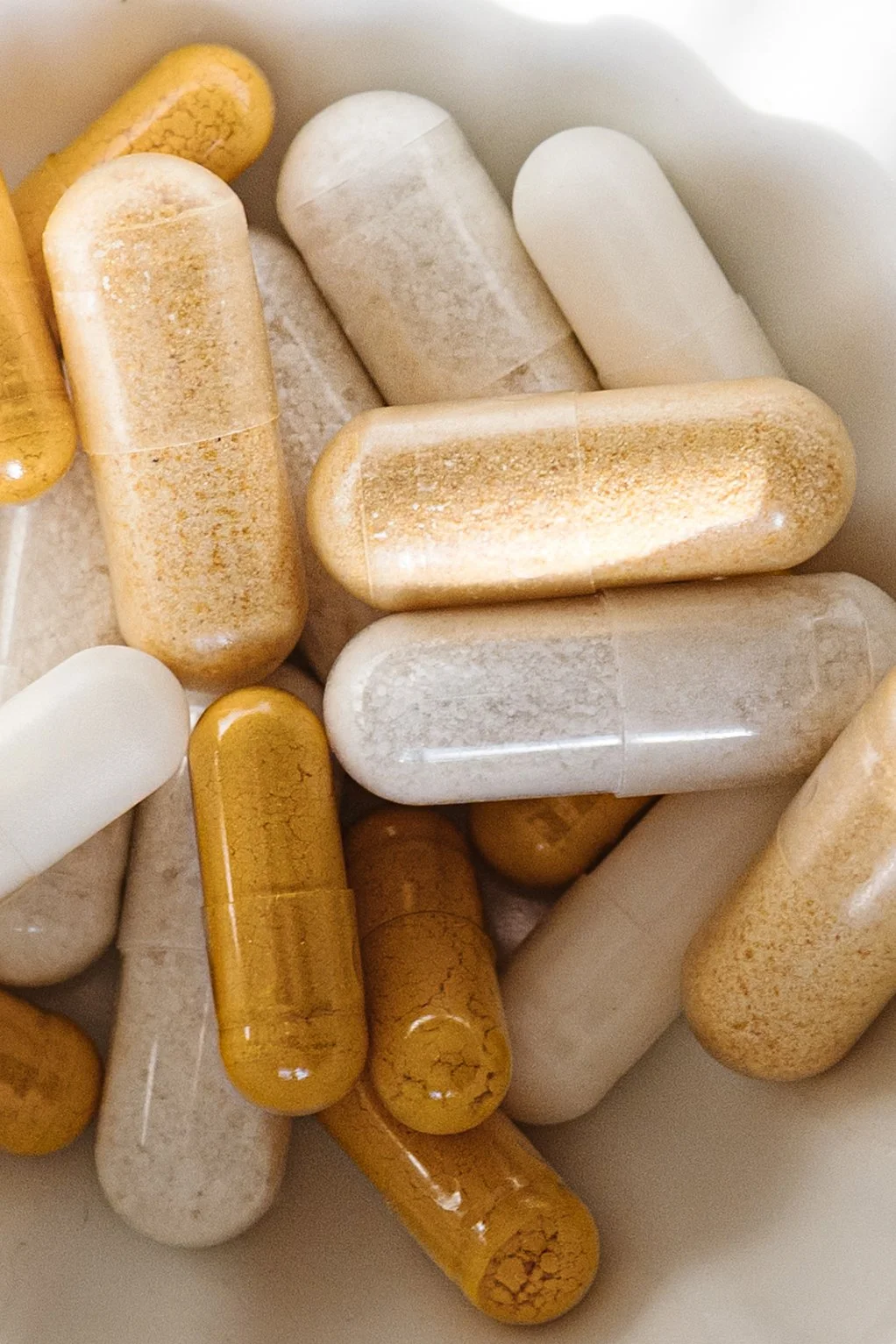
Vitamin E and L-arginine are two supplements that have been studied for their potential to improve uterine blood flow and lining thickness. The research is still limited, but there have been some encouraging findings, particularly for women who struggle with thin lining. These aren't supplements I recommend for everyone, so it's important to check with your fertility doctor before adding them.
Sleep:
Don't underestimate the importance of a good night's sleep. I encourage patients to aim for 7–9 hours and try to keep a fairly consistent sleep schedule, especially during the weeks leading up to transfer.
Movement:
You don't need to do anything strenuous. Walking, gentle yoga, and moderate exercise are great ways to stay active and support overall circulation. Just be mindful of any exercise restrictions from your fertility clinic.
Stress management:
This looks different for everyone. For some patients, it's yoga or meditation. For others, it's spending time outside, having dinner with friends, or finding something enjoyable that has absolutely nothing to do with fertility treatment.
Medical preparation:
Continue taking your medications exactly as prescribed, and make sure your fertility team knows about any supplements or herbs you're taking.
Most importantly, try not to turn FET preparation into another long list of things you feel you have to do perfectly. The goal is to support your body, not add more stress to an already demanding process.
-
In an ideal world, 10-12 acupuncture treatments prior to the FET is the goal. I generally recommend starting acupuncture two to three months before a planned transfer, with weekly treatments leading up to your FET cycle. During the actual preparation cycle, I often recommend one to two treatments per week, depending on your protocol and individual needs. .
-
Yes, there's some encouraging research suggesting that acupuncture may help support endometrial development, particularly for women who struggle with thin lining. A 2022 systematic review found that women receiving acupuncture had, on average, a uterine lining approximately 0.97 mm thicker than women in the comparison groups. While that's promising, results vary, and acupuncture should complement, rather than replace, your fertility clinic's treatment.
-
The research on transfer-day acupuncture is mixed. I encourage my patients to have acupuncture before and after their transfer whenever possible, both for relaxation and as part of their overall treatment plan. But I believe the preparation leading up to transfer is just as important, if not more so. And if transfer-day acupuncture isn't possible, that doesn't mean you've compromised your chances.
-
Acupuncture is generally considered safe during FET preparation when performed by a licensed acupuncturist familiar with fertility treatment protocols. It's important that your acupuncturist knows where you are in your cycle, what medications you're taking, and whether you've already had your transfer so treatments can be adjusted appropriately.
-
Absolutely. While I prefer to begin treatments earlier when possible, many patients come to me just a few weeks before their transfer. We can still focus on supporting relaxation, overall well-being, and your body's preparation for FET. I never want patients to feel that they've missed their opportunity simply because they didn't start months in advance.
Preparing for a Frozen Embryo Transfer?
If you're getting ready for an FET and wondering whether acupuncture might be helpful, we'd love to support you.
At Bloom Acupuncture & Fertility, we've been helping patients navigate IVF and embryo transfers for more than 20 years. We work closely with fertility clinics throughout San Diego and tailor treatments to where you are in your cycle, whether you're just beginning to prepare or your transfer is right around the corner.
Our goal is to help you feel as prepared and supported as possible throughout the process.
Learn more about IVF acupuncture at Bloom Acupuncture & Fertility.