How to Support Follicle Growth During IVF Stimulation (Simple, Effective Tips For Those 10–14 Days)

When you begin IVF stimulation, everything can start to feel very clinical, very fast.
Medications are timed down to the hour. Monitoring appointments are frequent. Numbers like follicle counts, estrogen levels, and measurements suddenly take center stage.
And while those medications are essential, there’s something I always remind my patients:
Your body still plays a huge role in how this cycle unfolds.
IVF stimulation is not just about growing follicles.
It is about how your body responds to the process.
The good news is that there are a few simple, meaningful ways to support your body during this short window without overcomplicating it.
Table of Contents
What Is IVF Stimulation?
IVF stimulation, or ovarian stimulation, is the part of an in-vitro fertilization (IVF) cycle when you take fertility medications to encourage your ovaries to develop multiple follicles at one time.
When you have a natural menstrual cycle, your body usually develops and ovulates one egg each cycle. During IVF stimulation, the goal is different: the reproductive endocrinologist is trying to recruit and mature multiple follicles so that several eggs can potentially be retrieved.
For most patients, IVF stimulation lasts around 10 to 14 days, although every cycle is different. During this time, you take injectable medications and have regular monitoring appointments with bloodwork and ultrasounds to see how your follicles are growing and responding to the medication.
Once your follicles are ready, you'll take a "trigger shot" to prepare the eggs for retrieval. Egg retrieval typically takes place about 34–36 hours later.
It is a relatively short window, but a lot is happening inside your body. Your ovaries are enlarging, multiple follicles are developing, and your hormone levels are changing quickly.
That is why I consider the IVF stimulation phase an important time to be especially intentional about how you support your body.
IVF Stimulation: Key Takeaways
If you're preparing to start IVF stimulation, here are the most important things I want you to know:
IVF stimulation is a short but important window. For roughly 10–14 days, fertility medications encourage your ovaries to develop multiple follicles at the same time in preparation for egg retrieval.
You can't control exactly how many follicles grow or how many eggs you'll retrieve, but you can support your body while they're developing. Acupuncture, nutrition, blood sugar balance, circulation, sleep, hydration, movement, and stress support can all be part of creating a healthy environment during IVF stimulation..
This is not the time to push your body harder. As your ovaries enlarge, gentle movement, adequate rest, regular meals, and following your fertility clinic's exercise recommendations become increasingly important.
Keep food simple, nourishing, and anti-inflammatory. I generally recommend a Mediterranean-style approach with plenty of protein, vegetables, healthy fats, omega-3-rich foods, and lower-glycemic carbohydrates while avoiding alcohol and limiting or avoiding caffeine.
You do not need to do IVF stimulation perfectly. The goal is not to micromanage every meal, supplement, or decision. It's to consistently support your body while the medications do the work they were designed to do.
Support Blood Flow to the Ovaries
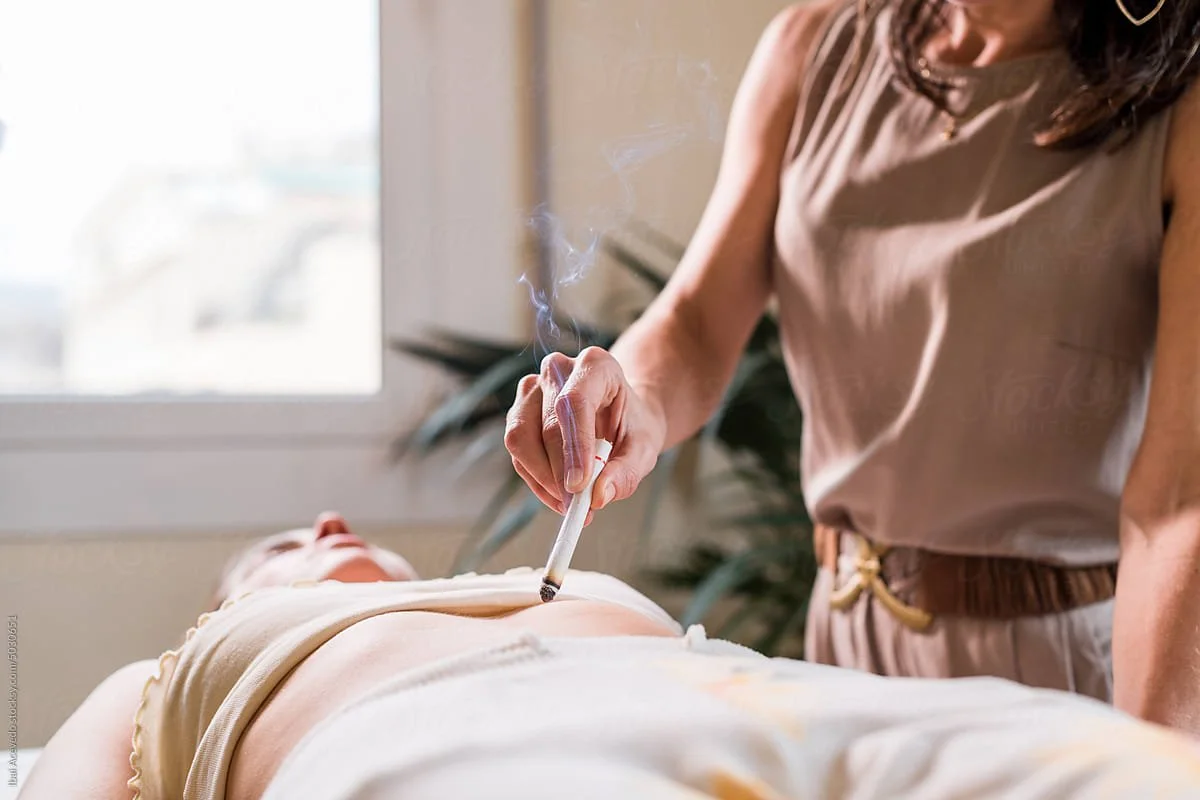
During IVF stimulation, your ovaries are doing a tremendous amount of work. Blood flow becomes incredibly important here.
Healthy circulation supports oxygen and nutrient delivery to developing follicles and the eggs inside them.
This does not require anything extreme.
What I recommend during IVF stimulation:
Acupuncture 1 to 2 times per week, or more
Gentle daily movement like walking or light stretching
Keep your abdomen and low back covered and keep feet warm
Consistent hydration throughout the day
This is one of the simplest ways to support your body and one of the most impactful.
Keep Blood Sugar Stable (This matters more than most people realize)
Blood sugar has a direct influence on hormone signaling, including how your ovaries respond to stimulation medications.
When blood sugar is constantly spiking and crashing, it can interfere with that signaling.
During this phase, I encourage patients to keep things steady and predictable.
Think:
Eating every 3 to 4 hours
Building meals around protein, healthy fats, and fiber
Avoiding coffee, as caffeine may contribute to blood sugar fluctuations
Choosing lower glycemic carbohydrates like vegetables, legumes, and whole grains
This is not about restriction. It is about creating a more stable internal environment for your body to work from.
Reduce Inflammation Through Food Choices
Follicles are incredibly sensitive to inflammatory signals.
While we cannot control everything, we can influence the internal environment through what we eat during this time.
During IVF stimulation, I recommend:
A Mediterranean-style, anti-inflammatory approach
Plenty of colorful vegetables and whole foods
Omega-3 rich foods like salmon or sardines
Avoiding alcohol completely
This is not about being perfect. It is about gently lowering the overall inflammatory load so your body can focus on what it needs to do.
Protect Your Nervous System


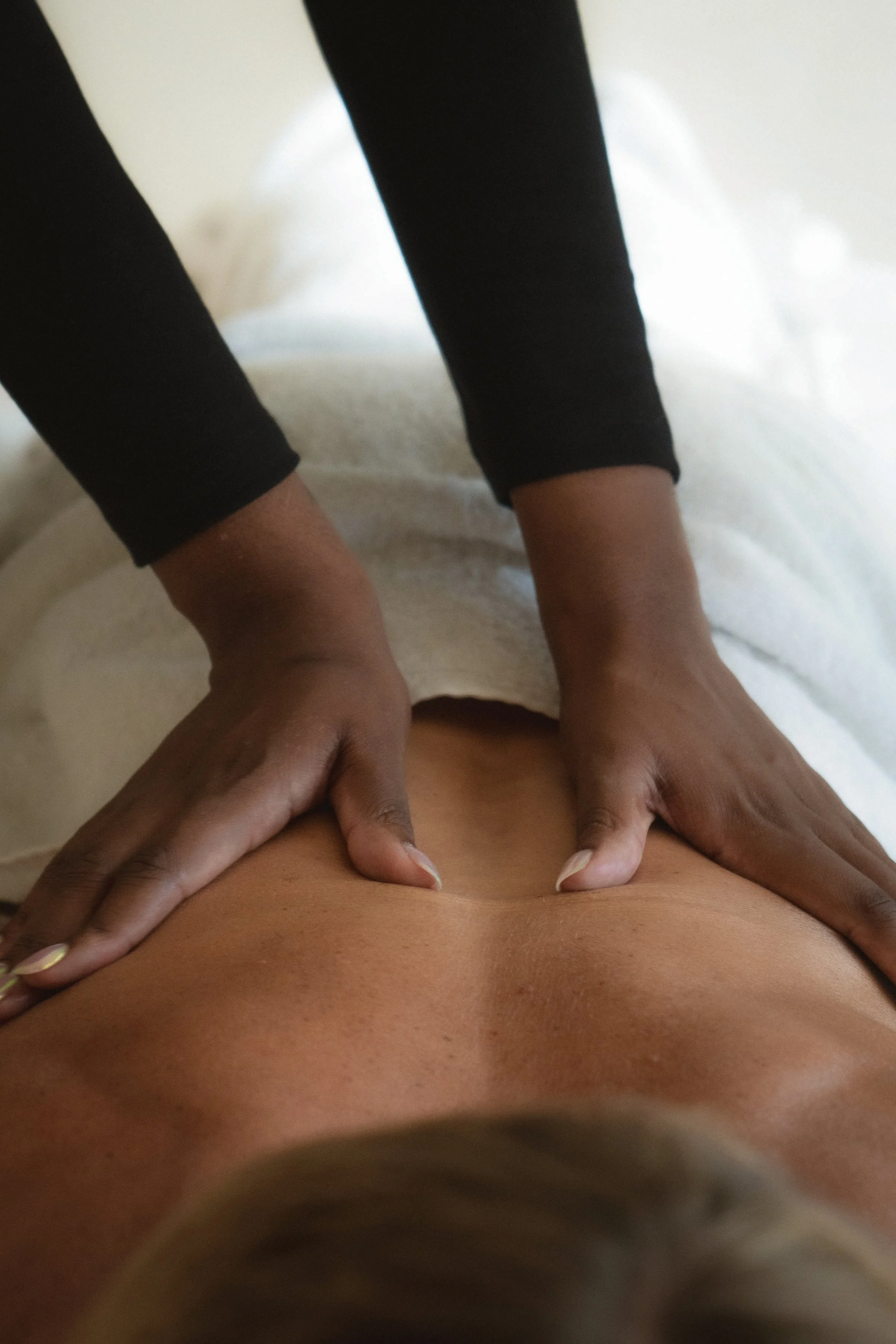
This piece is often overlooked, but it is one of the most important.
Your brain is directing this entire process.
Hormone signaling starts there.
IVF cycles can feel like a lot. Between the medications, appointments, and emotional weight, your nervous system is under more pressure than usual.
During IVF stimulation, I encourage patients to simplify and soften wherever possible.
Prioritize sleep as much as you can
Choose gentle movement over high-intensity workouts
Take a few minutes each day for quiet, breathing, or stillness
Limit unnecessary stressors when possible
This is not about doing more.
It is about creating space, literally and physically, for your body to function well.
Eat in a Way That Nourishes (A TCM Perspective)
From a Chinese medicine perspective, this phase is about supporting:
Kidney energy, your reproductive foundation
Liver Blood, circulation and hormonal flow
Spleen Qi, digestion and nutrient absorption
In everyday terms, this looks like:
Warm, cooked meals
Easy-to-digest foods
Regular, consistent eating
Limiting cold and raw foods during this phase
Think soups, roasted vegetables, eggs, fish, and meals that feel grounding and supportive.
What to Avoid During IVF Stimulation
Just as important as what you do is what you do not do during this window.
Try to avoid:
Strenuous exercise or exercise that involves twisting or inverting
Skipping meals or under-eating
Alcohol
Caffeine (either strictly limit or avoid completely)
Cold exposure to the abdomen
Pushing through high stress without support
Again, this is not about perfection.
It is about being intentional during an important phase.
The Bigger Picture

These 10 to 14 days can feel intense. The stakes can feel enormous, and it is easy to feel like everything is out of your control.
But this is where I gently shift the perspective for my patients.
You do not need to control everything.
You just need to support your body in consistent, meaningful ways.
We are not trying to force follicles to grow.
We are creating the conditions where your body can respond optimally to the medications you are taking.
And that is where the real power is.

-
IVF stimulation typically lasts about 10 to 14 days, although every cycle is different. Your reproductive endocrinologist will monitor your follicles through ultrasounds and bloodwork and adjust your medications based on how your ovaries are responding.
-
I recommend keeping food simple and nourishing during IVF stimulation. Focus on protein, healthy fats, colorful vegetables, omega-3-rich foods, fiber, and lower-glycemic carbohydrates. A Mediterranean-style, anti-inflammatory diet is a great framework.
Most importantly, eat enough. This is not the time for aggressive dieting, fasting, or skipping meals.
-
Usually, yes—but exercise often needs to be modified as your follicles grow and your ovaries enlarge. Walking, gentle stretching, and other low-impact movement are generally better choices than running, jumping, intense abdominal exercise, twisting, or inversions later in stimulation.
-
Some fertility clinics allow moderate caffeine during IVF, but in my practice, I generally recommend avoiding coffee during stimulation. I prefer to minimize anything that may contribute to blood sugar fluctuations, anxiety, or disrupted sleep during this short and important window.
-
I recommend avoiding alcohol during IVF stimulation. You are investing a tremendous amount physically, emotionally, and financially into this cycle, and this is one area where I think keeping things simple makes sense: skip it until after your egg retrieval and follow your fertility clinic's recommendations.
-
I typically recommend acupuncture 1–2 times per week during stimulation, although treatment frequency can vary depending on the patient and how the cycle is progressing.
My treatments during this phase are focused on supporting healthy circulation to the ovaries, calming the nervous system, supporting sleep and digestion, and helping patients manage some of the physical and emotional stress that can come with stimulation.
I also individualize treatment as the cycle progresses. What I do early in stimulation may look different from what I do when the follicles are larger and you're approaching your trigger shot and egg retrieval.
-
In general, I recommend avoiding alcohol, strenuous exercise, significant twisting or inversions, under-eating, dehydration, and anything that unnecessarily adds stress to your body.
As your ovaries enlarge, your fertility clinic may give you additional restrictions, so their recommendations should always come first.
Preparing for IVF in San Diego?
If you're getting ready to start IVF stimulation, you don't have to figure out how to support your body through the process on your own.
At Bloom Acupuncture & Fertility, we work with patients throughout their IVF cycles—from preparing for stimulation and supporting the body during follicle development to egg retrieval and embryo transfer.
I've been working with fertility patients in San Diego since 2004 and regularly collaborate with reproductive endocrinologists throughout the area. Our goal is to complement the care you're already receiving from your fertility clinic while giving you additional support during what can be a physically and emotionally intense process.
Learn more about IVF acupuncture in San Diego and how we can support you through your upcoming cycle